

Today’s orthodontic patients have more types of braces to choose from than ever, from traditional metal brackets to nearly invisible aligners you can take out for dinner. Each option offers its own balance of appearance, comfort, and treatment speed. Our team at Leaver & Gardner Orthodontics walks you through every option so you can choose what works for you and your family.

What Are the Different Types of Braces?
Braces are orthodontic devices that apply steady, controlled pressure to shift teeth into proper alignment and correct bite problems. There are five main categories available today: metal braces, ceramic braces, self-ligating (Damon) braces, lingual braces, and clear aligners like Invisalign. Each type achieves similar results but differs in visibility, comfort, and treatment speed.
Modern braces are much smaller, smoother, and more comfortable than older generations. The right choice depends on how complex your orthodontic needs are, your lifestyle, and how discreet you want your treatment to appear. Dr. Scott Leaver, Dr. Michael Gardner, and Dr. Kyle Cousineau evaluate each patient individually to recommend the best approach. Some patients benefit from a combination of appliances, while others get great results with a single method.
How Each Type of Braces Works
All braces work the same way at the core. Steady, continuous pressure signals the bone around your teeth to remodel, allowing teeth to shift into new positions. How that pressure is delivered varies based on the system you choose.
- Metal braces: Stainless steel brackets are bonded to the front of each tooth and connected by a thin archwire. Small elastic ties hold the wire in place, and your orthodontist adjusts the tension at regular visits.
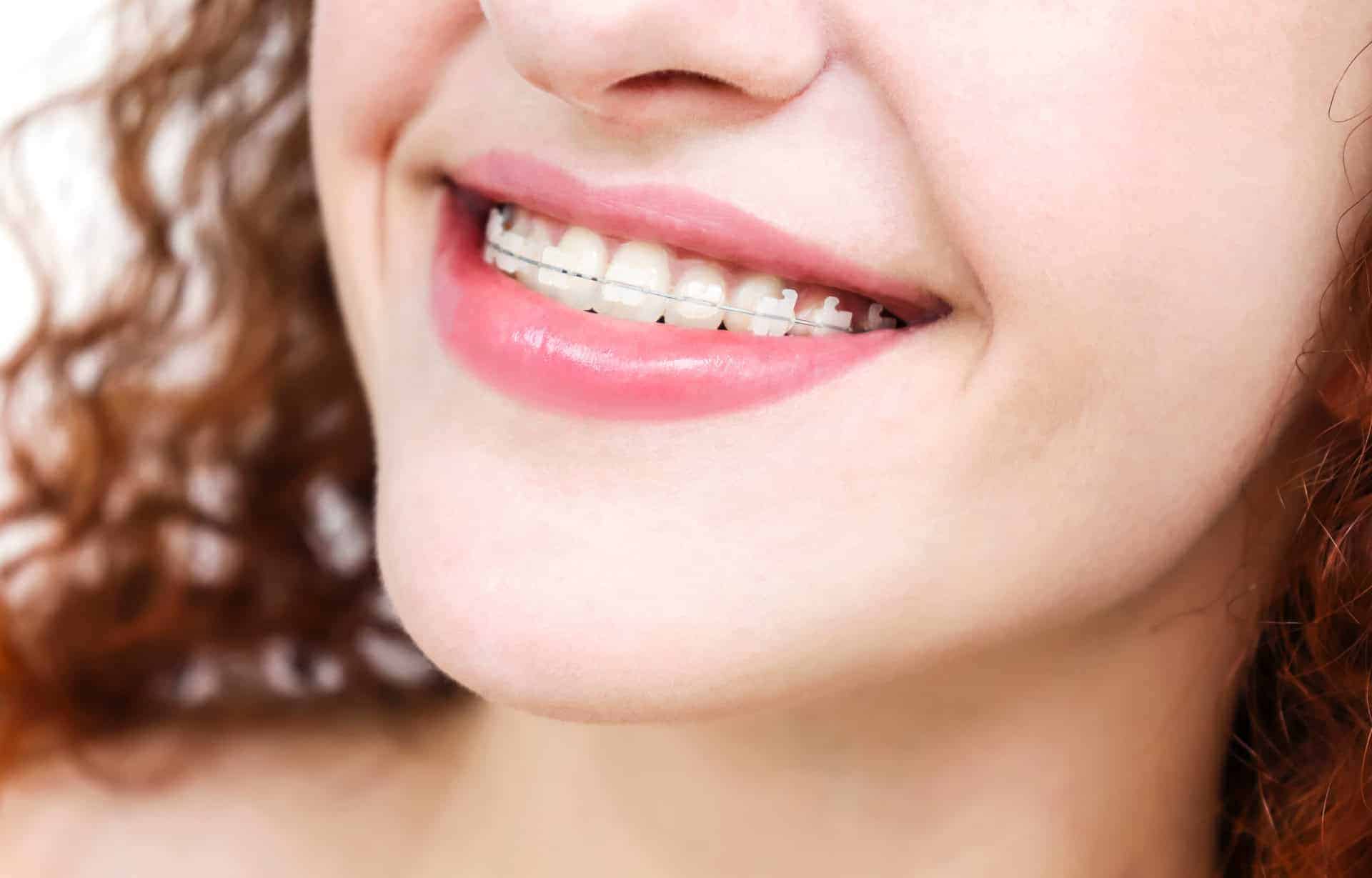
- Ceramic braces: These function exactly like metal braces, but the brackets are made from tooth-colored or clear ceramic material that blends with your enamel for a less noticeable appearance.
- Self-ligating (Damon) braces: In place of elastic ties, Damon Braces use small sliding clips built into each bracket. This reduces friction, often making treatment more efficient and requiring fewer adjustment appointments.
- Lingual braces: Custom-made brackets are bonded to the tongue-side of your teeth, keeping them completely hidden when you smile. They work like traditional braces but face inward.
- Clear aligners (Invisalign): In place of fixed brackets, you wear a series of removable plastic trays. Each tray is slightly different, and you switch to a new set every one to two weeks as your teeth gradually move.
Whichever system you choose, our team guides you through every step so you know what to expect at each appointment.
Benefits of Each Braces Option
Every type of braces has its own strengths. Understanding them helps you match the right system to your priorities.
- Metal braces are highly effective for even the most complex cases. Patients who want some fun with their look can choose colored elastic bands at each visit, which makes metal braces especially popular with kids and teens.
- Ceramic braces offer a discreet appearance that appeals to adults and older teens with cosmetic concerns. They deliver the same reliable results as metal braces while blending into your natural tooth color.
- Damon self-ligating braces often mean fewer adjustment visits because there are no elastics to replace. The sliding-door design is easier to clean around, and many patients experience shorter overall treatment times.
- Lingual braces stay completely hidden from view, which makes them a strong fit for professionals, performers, and anyone who wants treatment to be invisible to others.
- Invisalign and Invisalign Teen aligners are removable, so you can eat whatever you like and brush and floss normally. The trays are nearly invisible and comfortable against your cheeks and lips.
No matter which option you choose, orthodontic treatment improves bite function, supports better long-term oral health, and gives you a smile you’ll feel proud to share. With three experienced orthodontists on staff and decades of combined training, you’re in capable hands from day one.

Comparing Braces Types Side-by-Side
A direct comparison makes it easier to see how each option stacks up. The table below highlights the key differences between the main types of braces.
| Feature | Metal Braces | Ceramic Braces | Damon (Self-Ligating) | Lingual Braces | Invisalign |
|---|---|---|---|---|---|
| Visibility | Most visible | Moderately discreet | Moderately visible | Hidden behind teeth | Nearly invisible |
| Typical Treatment Time | 12-24 months | 12-24 months | 12-24 months | 18-36 months | 6-18 months |
| Comfort | Standard | Standard | Fewer irritations | Tongue adjustment needed | Smoothest option |
| Best For Complex Cases | Excellent | Good | Excellent | Good | Mild to moderate |
| Maintenance | Special brushing required | Special brushing required | Easier to clean | Harder to clean | 22-hour daily wear |
The “metal braces vs ceramic” question often comes down to appearance. Both move teeth equally well. Comparing clear aligners vs braces is more about lifestyle. Aligners offer removability, while fixed braces work around the clock without discipline required. For a personalized recommendation, an in-person evaluation is the best next step.
Who Is a Candidate for Each Type of Braces?
Finding the right match depends on your age, orthodontic needs, and daily routine. Here’s a quick guide to who typically benefits most from each option.
- Metal braces: Patients of all ages, suitable for virtually any orthodontic issue, including severe crowding, spacing, and bite problems.
- Ceramic braces: Teens and adults who want a less noticeable option with moderate alignment needs.
- Damon braces: Patients who prefer fewer appointments and want the potential for faster results with less friction.
- Lingual braces: Adults with specific professional, performance, or personal reasons for keeping treatment completely hidden.
- Invisalign and Invisalign Teen: Disciplined patients with mild to moderate crowding or spacing who can commit to wearing trays at least 22 hours daily.
An in-person evaluation is the only way to know for sure. Dr. Leaver, Dr. Gardner, and Dr. Cousineau examine your bite, review digital scans from our 3D teeth impression scanners, and discuss your goals before recommending a plan. Children, teens, and adults all have options at our practice.
Frequently Asked Questions About Braces Types
What are the different brackets for braces?
The four main bracket types are traditional metal, tooth-colored ceramic, self-ligating (such as Damon Braces), and lingual brackets that attach behind the teeth. Metal and ceramic brackets use elastic ties to hold the archwire, while self-ligating brackets have built-in sliding clips. Each type delivers reliable results but offers different advantages in appearance, comfort, and maintenance.
Is 20 too late for braces?
No, 20 is not too late. Adults of any age can benefit from orthodontic treatment because teeth can be moved at virtually any point in life. A growing number of our patients are adults who want to improve their smile, bite function, or long-term oral health. Options like Invisalign and ceramic braces make adult treatment especially discreet, so you can keep it between you and your orthodontist.
Which type of braces is fastest?
Damon self-ligating braces and Invisalign often shorten treatment timelines compared to traditional braces, though actual results depend on your specific case. Self-ligating braces reduce friction, allowing teeth to move more freely between adjustments. Invisalign treatment can be efficient for mild to moderate cases. Your orthodontist can estimate your timeline during a free consultation.
Are lingual braces as effective as traditional braces?
Yes, lingual braces are as effective as traditional braces for most cases, producing similar outcomes. They use the same principles of controlled pressure, just applied from behind the teeth. The main differences are a slightly longer average treatment time, a short tongue-adjustment period, and custom fabrication for each patient.
Ready to Explore Your Options?
Choosing the right type of braces starts with a conversation. Our team would love to help you achieve your best smile with exceptional orthodontic care in Las Vegas, NV. Schedule your free consultation at either of our offices: Summerlin at 6005 S Fort Apache Rd #100 or Northwest Las Vegas at 5765 Centennial Center Blvd #110. Call or text us today at 702-878-0764, and show us your smile. Get your perfect smile with a team that treats every patient like family.

