
Choosing between clear aligners and metal brackets is one of the biggest decisions you’ll make before starting orthodontic treatment. Understanding the Pros & Cons of Invisalign VS Traditional Braces can help you pick the option that fits your lifestyle and smile goals. At Leaver & Gardner Orthodontics, we offer both treatments so you can choose with confidence and feel supported from the first visit onward.

What Are Invisalign and Traditional Braces?
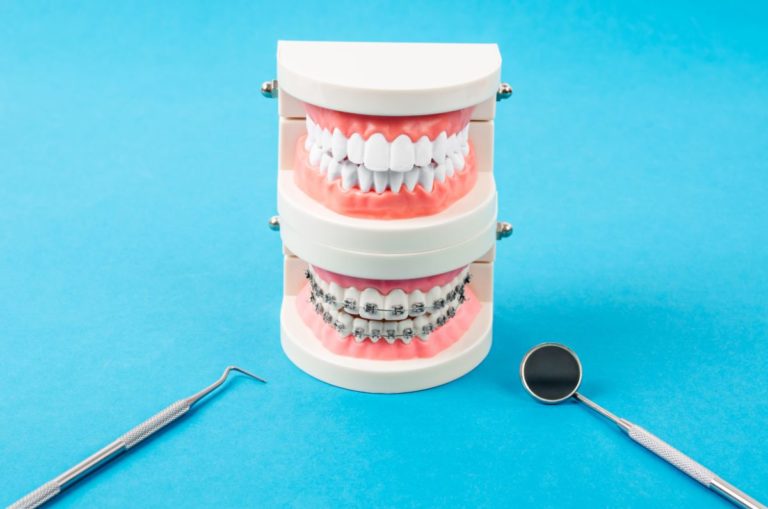
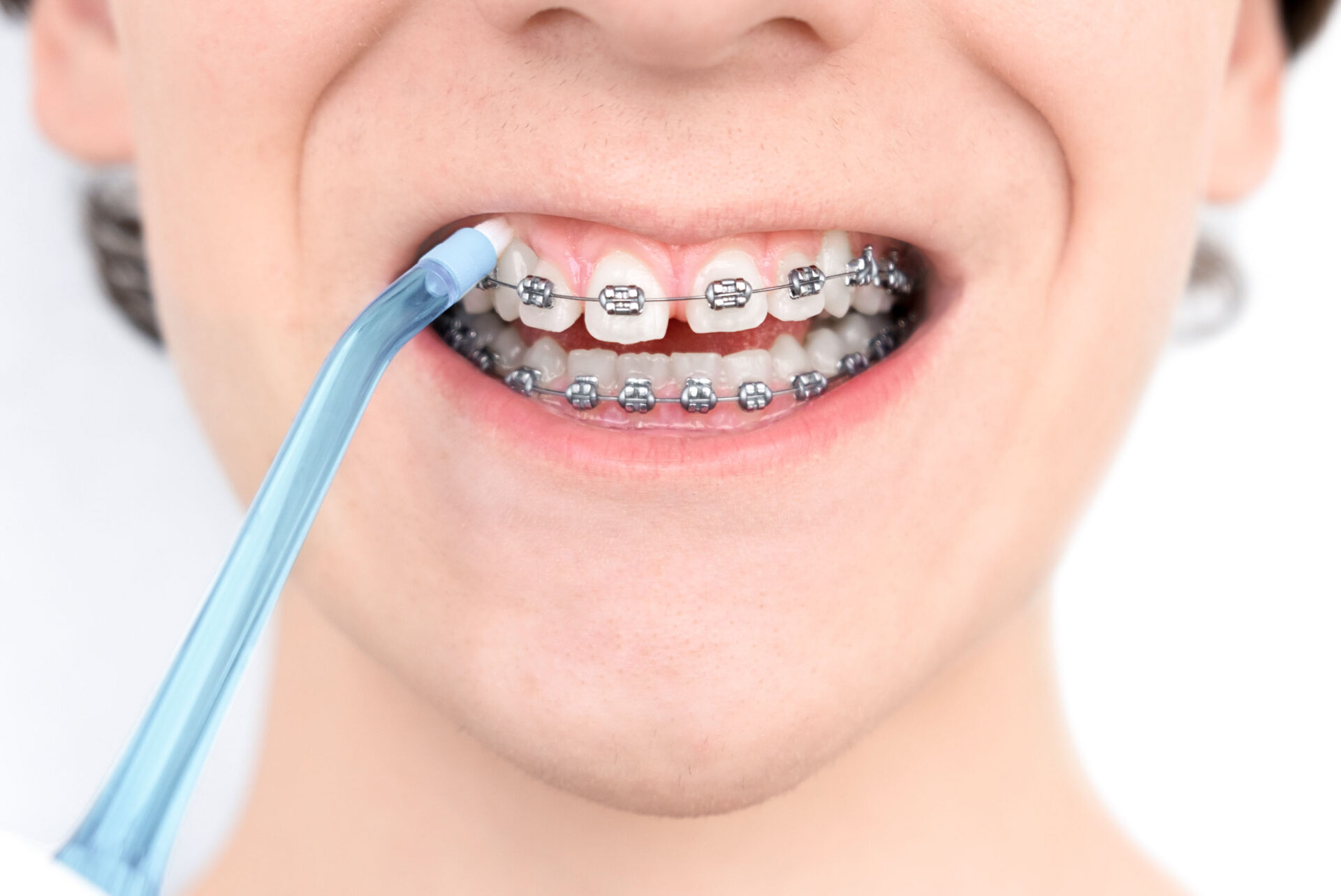
Invisalign and traditional braces are two proven orthodontic treatments that straighten teeth and correct bite problems. Invisalign uses clear, custom-made plastic aligners worn 20-22 hours per day. Traditional braces use metal or ceramic brackets bonded to each tooth, connected by an archwire that gradually shifts teeth into place.
Both options correct crowding, spacing gaps, overbites, underbites, and crossbites. The biggest difference? Invisalign aligners are removable, while braces stay fixed on your teeth throughout treatment.
Treatment time usually ranges from 6 to 24 months, depending on how complex your case is. At Leaver & Gardner Orthodontics, Dr. Scott Leaver, Dr. Michael Gardner, and Dr. Kyle Cousineau offer both Invisalign and several types of braces, including Damon self-ligating braces and classic metal braces. During your free consultation, we’ll walk you through each option and help you decide which treatment matches your goals, your schedule, and the smile you want to see in the mirror.
How Each Treatment Works
Each treatment follows a different path to the same goal: a straighter, healthier smile. Here’s what you can expect from both.
How Does the Invisalign Process Work?
- Digital scanning. We use a 3D scanner to capture a precise model of your teeth. No messy impressions required.
- Custom treatment plan. Your orthodontist designs a step-by-step plan showing how your teeth will move.
- Aligner series. You’ll receive a series of clear aligners made just for you.
- Switch every 1-2 weeks. Each new aligner shifts your teeth a little closer to the final result.
- Check-ins every 6-8 weeks. We monitor progress and hand off your next sets of aligners.
How Does the Traditional Braces Process Work?
- Bonding appointment. Brackets are attached to each tooth, then connected with an archwire.
- Regular adjustments. You’ll visit every 4-8 weeks so we can tighten wires or swap in new ones.
- Progress monitoring. Your orthodontist tracks tooth movement and adjusts the plan as needed.
- Removal and retention. Once your teeth are aligned, braces come off and retainers keep them in place.
Damon braces, available at Leaver & Gardner Orthodontics, use self-ligating technology. Instead of elastic ties, the brackets have a built-in sliding mechanism that holds the wire. This design reduces friction and can mean fewer adjustment visits for some patients.
Both treatments require commitment. Braces work around the clock, while Invisalign depends on how consistently you wear your aligners.
Benefits of Invisalign vs Braces
Both options deliver great results, but each has distinct advantages. Here’s a straightforward look at the pros of each.
What Are the Pros of Invisalign?
- Nearly invisible. Clear plastic aligners are hard to spot in photos or conversation.
- Removable. Take them out for meals, brushing, and special occasions.
- No food restrictions. Pizza, popcorn, apples, gum, nothing is off-limits.
- Easier oral hygiene. Brush and floss normally without working around brackets.
- More comfortable. Smooth plastic edges won’t scrape your cheeks or lips.
- Fewer office visits. Many patients come in every 6-8 weeks instead of monthly.
- Fewer emergency repairs. No broken brackets or poking wires to worry about.
What Are the Pros of Traditional Braces?
- Fixed in place. They work 24/7, so there’s no compliance to worry about.
- Highly effective for complex cases. Severe rotations, big bite corrections, and major alignment issues respond well.
- Predictable results. Decades of clinical use back up what braces can achieve.
- Fun color options. Kids and teens love picking new elastic colors at each visit.
- Great for all ages. Metal and ceramic brackets work for children, teens, and adults alike.
- No lost appliances. Since they’re bonded on, you can’t misplace them.
Both treatments improve your long-term oral health. Straighter teeth are easier to clean, which lowers your risk of cavities and gum disease. And of course, a confident smile goes a long way in daily life.

Invisalign vs Braces: Side-by-Side Comparison
Still weighing your options? This quick comparison lays out the key differences at a glance.
| Factor | Invisalign | Traditional Braces |
|---|---|---|
| Visibility | Nearly invisible clear plastic | Visible metal or ceramic brackets |
| Comfort | Smooth plastic, minimal irritation | Can irritate cheeks and lips, especially early on |
| Maintenance | Remove to brush and floss normally | Brush around brackets, use floss threaders |
| Effectiveness | Mild to moderate cases, some complex | Handles all cases, including the most complex |
| Compliance | Must wear 20-22 hours daily | Always on, no discipline required |
| Food Restrictions | None, remove before eating | Avoid sticky, hard, and chewy foods |
| Office Visits | Every 6-8 weeks | Every 4-8 weeks |
| Treatment Time | Typically 6-18 months | Typically 12-24 months |
| Best For | Image-conscious teens and adults, mild-moderate cases | Complex bite correction, patients who prefer “set it and forget it” |
| Emergencies | Rare, mostly lost aligners | Possible broken brackets or wires |
The right choice depends on your specific case, your preferences, and your lifestyle. There’s no universal winner. There’s just the treatment that works best for you, which is why a personal evaluation matters so much.
Who Is a Good Candidate for Each?
Not every smile fits neatly into one category. Here’s how to think about which treatment might suit you best.
Is Invisalign a Great Fit for You?
- Have mild to moderate crowding or spacing
- Need minor bite correction
- Can commit to wearing aligners 20-22 hours per day
- Want a discreet treatment option
- Prefer no food restrictions
- Are a responsible teen or adult (Invisalign Teen includes compliance indicators)
Are Traditional Braces a Better Choice for You?
- Have severe crowding, rotations, or complex bite issues
- Need major alignment or jaw correction
- Prefer not to track wear time
- Want the most predictable results for complex cases
- Are a younger child who may lose removable aligners
- Grind your teeth significantly (though a nightguard plan can work for either)
Teens and adults are both excellent candidates for either treatment. We offer Invisalign Teen for younger patients and full adult options for anyone starting orthodontic care later in life. Even if you had braces as a kid and your teeth have shifted, it’s never too late to straighten your smile. Adult patients often tell us they wish they had started sooner, so there’s real value in acting on it now.
The best way to know for sure? Schedule an evaluation. Our team at Leaver & Gardner Orthodontics will examine your teeth, review your goals, and recommend the treatment that will give you the best outcome. We’ll also talk through comfort expectations, timeline, and daily habits so there are no surprises once treatment begins.

Frequently Asked Questions
Which is better, metal braces or Invisalign?
Neither is universally “better.” It depends on your case. Metal braces excel at correcting complex bite issues, severe rotations, and major alignment problems. Invisalign is often ideal for mild-to-moderate cases and patients who want a discreet, removable option. An orthodontist evaluation is the best way to find your match.
What is the 30-minute rule with Invisalign?
The 30-minute rule means you should limit the time your aligners are out of your mouth to about 30 minutes per meal. Since you need to wear them 20-22 hours daily, keeping meal breaks short helps you hit that target. Longer out-time can slow your progress or push back your treatment finish date.
Does Invisalign hurt like braces?
Invisalign generally feels more comfortable than braces. You may notice mild pressure or soreness when you switch to a new aligner, usually lasting a day or two. Braces can cause more irritation from brackets and wires, especially right after placement or adjustments. Most patients adapt to either option quickly and settle into a routine within the first couple of weeks.
How long does each treatment take?
Treatment time typically runs 12 to 24 months for both options, though simpler cases may finish in as little as 6 months. Invisalign cases sometimes complete slightly faster for mild corrections. Complex cases may take longer with either treatment. Your orthodontist will give you a specific timeline during your consultation, and that estimate becomes more precise as treatment progresses.
Will Invisalign affect my speech?
You may notice a slight lisp during the first few days with new aligners. Most patients adjust within a week as their tongue gets used to the plastic. Reading aloud or practicing conversation can speed up the adjustment. After the initial period, speech returns to normal and most people forget they’re even wearing them.
Can I switch from braces to Invisalign mid-treatment?
In some cases, yes. Patients who’ve completed part of their braces treatment sometimes transition to Invisalign to finish, especially for the final detailing phase. This decision depends on your progress, your remaining tooth movement, and your orthodontist’s recommendation. Talk with your provider about whether a switch makes sense for your case, and ask about any adjustments to your overall timeline.